
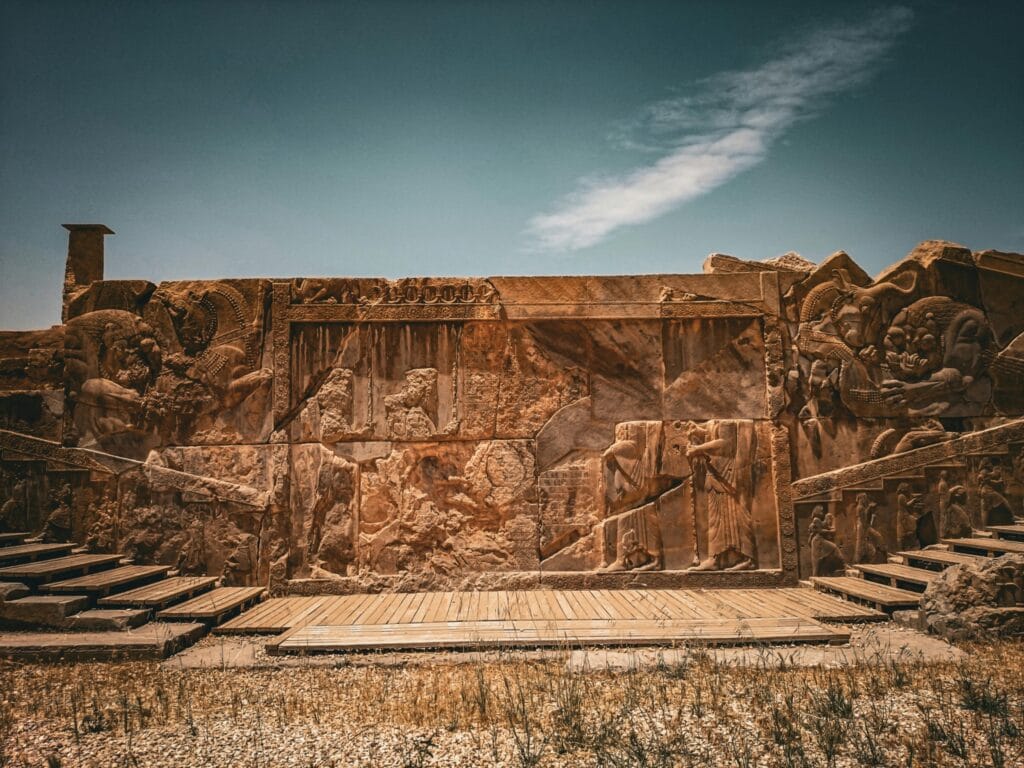
One definition of foreign is “strange and unfamiliar”. As with anything else, it’s only so until we explore what we think is unfamiliar.
How Shall We Sing?
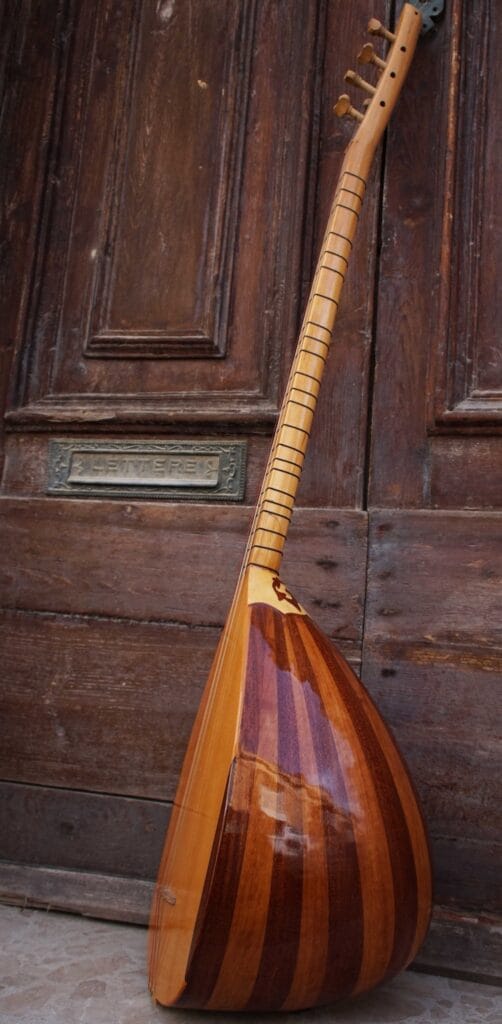
Because of recent events, I became curious (again) about the culture — especially music — of Persia. This was the ancient name of the country we now call Iran. As I explored, I quickly was drawn to the stringed instruments of this “foreign” time and place.
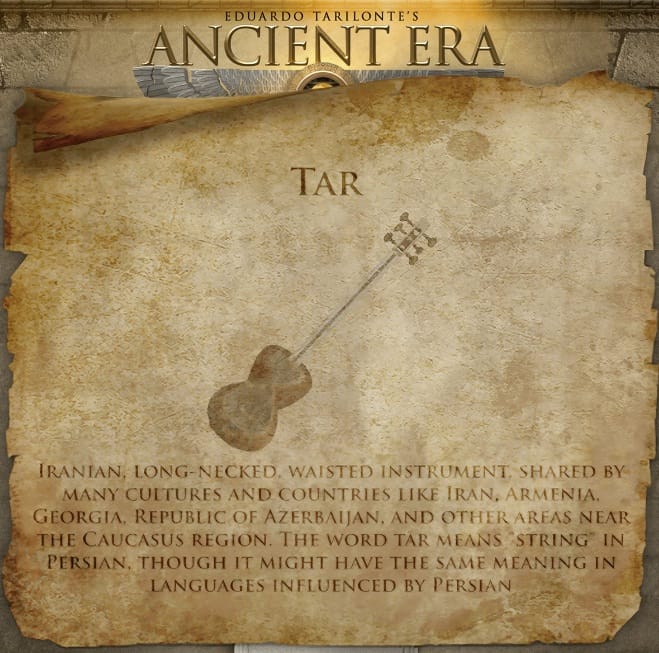
I’ve already written briefly about the (se)tar and santoor. On the suite “Mystery and Hope”, I also used oud, saz, kemenche, and shah kaman. The first two are plucked (using either a plectrum or fingertips) and the last two are bowed.
The often mellow sound of the oud is a somewhat familiar guitar-like instrument from several Middle East countries. The saz has a slightly less mellowness to the sound, but is equally widespread in its many variations from Greece to Turkey. It provides an intriguing contrast to the other plucked string instruments mentioned here.
In the song “5 PopPers”, you hear these bowed and plucked stringed instruments interweaving their sounds. Especially note the exposed parts about 25 seconds into the track.
Foreign Is A State of Mind
At first listen, some of these instruments do sound very foreign to those of us from other regions. But their timbre is deeply intriguing and a beautiful contrast to what we hear in “western” music.
As many regular readers know, I am attracted to the sound of the duduk. When I started to write these pieces of music, I imagined using this sound. However, that would have been introducing a woodwind that is historically foreign to Persia. (The balaban is similar, but I had no source for the sounds of that instrument.)
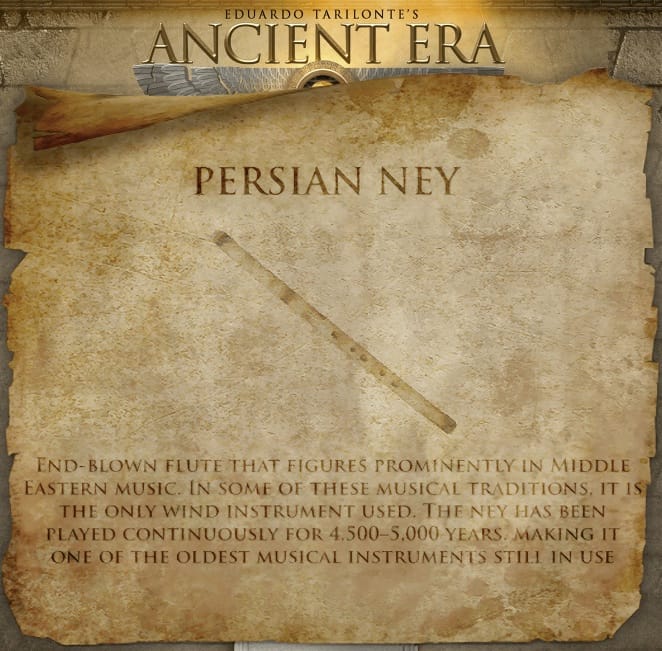
A most notable woodwind in Persia is the ney. This has a more typical flute or pipe-like sound than the duduk. I have heard a few ney performers. In a concert hall, it has a very entrancing sound. You can hear this instrument especially in “7 Mid-Simplicity”.
Sing a Foreign Song
At the beginning of this musical suite (“3 Market Mayhem”), you hear drums including several traditional Persian percussion instruments. These include tombak (lap-held hand drum) and daf (frame drum with jingles). I added bells — both handheld and suspended — to most of the five tracks in this suite as well.
There’s no need for us to hold these sounds as foreign. Like so many things in our world, if we will just listen, everything — especially our own attitude — will change.
Main post photo by MoFaEye.
Discover more from Stan Stewart - @muz4now
Subscribe to get the latest posts sent to your email.
Loved all three pieces here Stan. Reminded me of the days I was able to pop down to a shop in my local town of Machynlleth called Ian Snow’s and buy from his collection of Worldwide CD’s. He was known as the local ‘Hippy Shop’. I listened to dozens, and your music very much reminded me of times in the VeDub Bus (my 1972 camper van), sitting on the Dune-scape and playing so very many choices. I shall have to dive under the stairs and dig them out now.
You truly are an amazing composer Stan. Very well done. All the best.
So glad to read your story, Gray! This is one of the beautiful gifts of music: it can take us back in memory or forward in understanding.
I am always happy to learn of such connections with the music I create. Thanks again and enjoy those songs from your story!